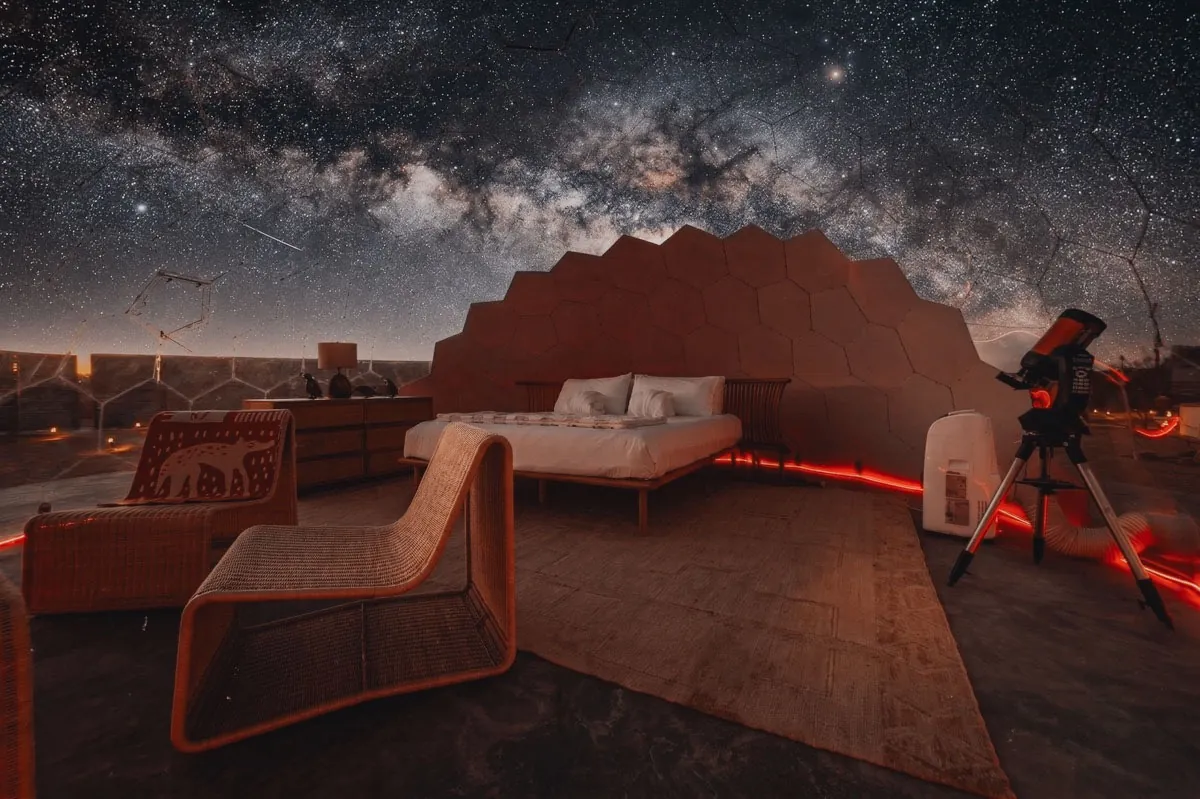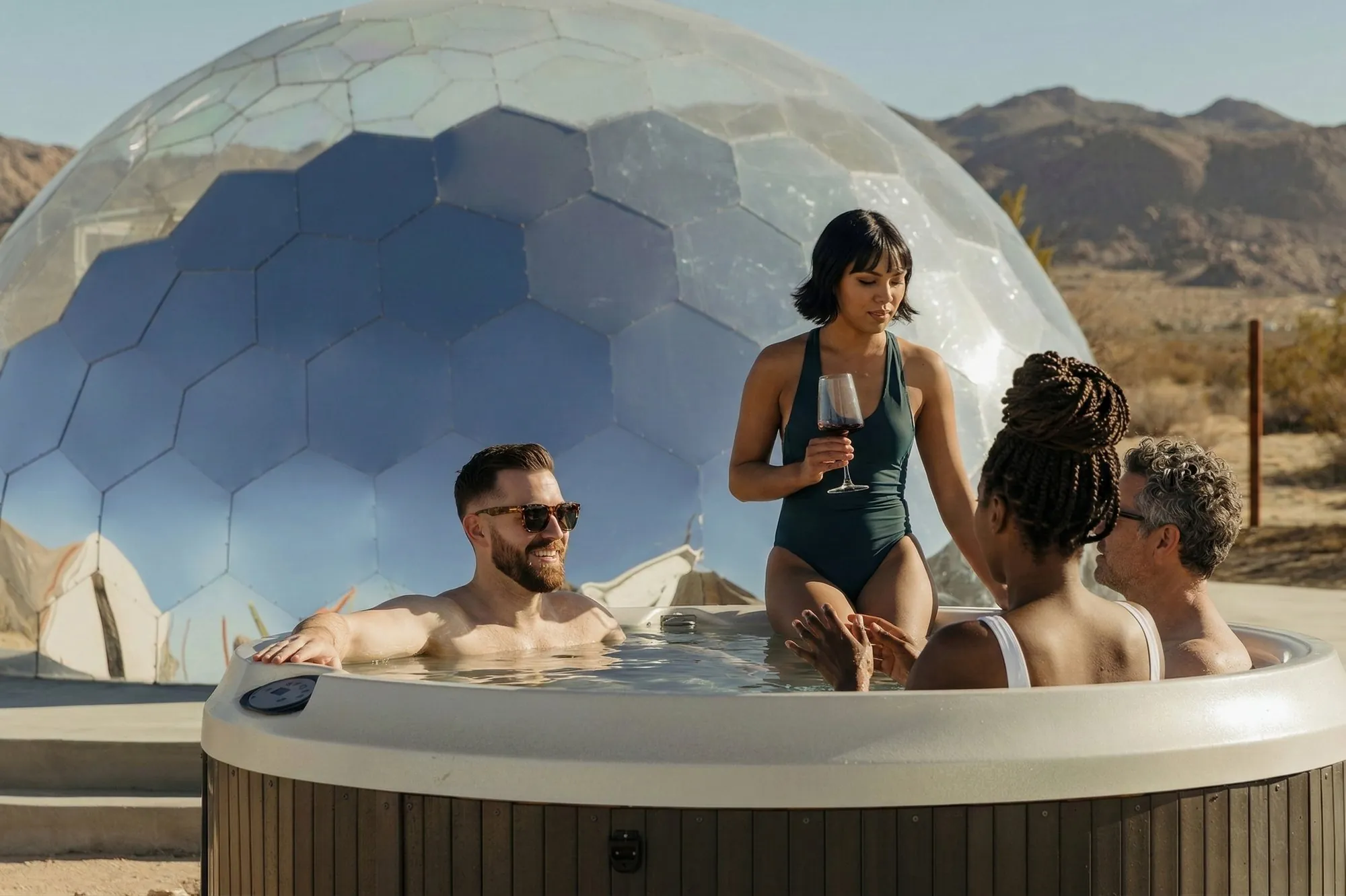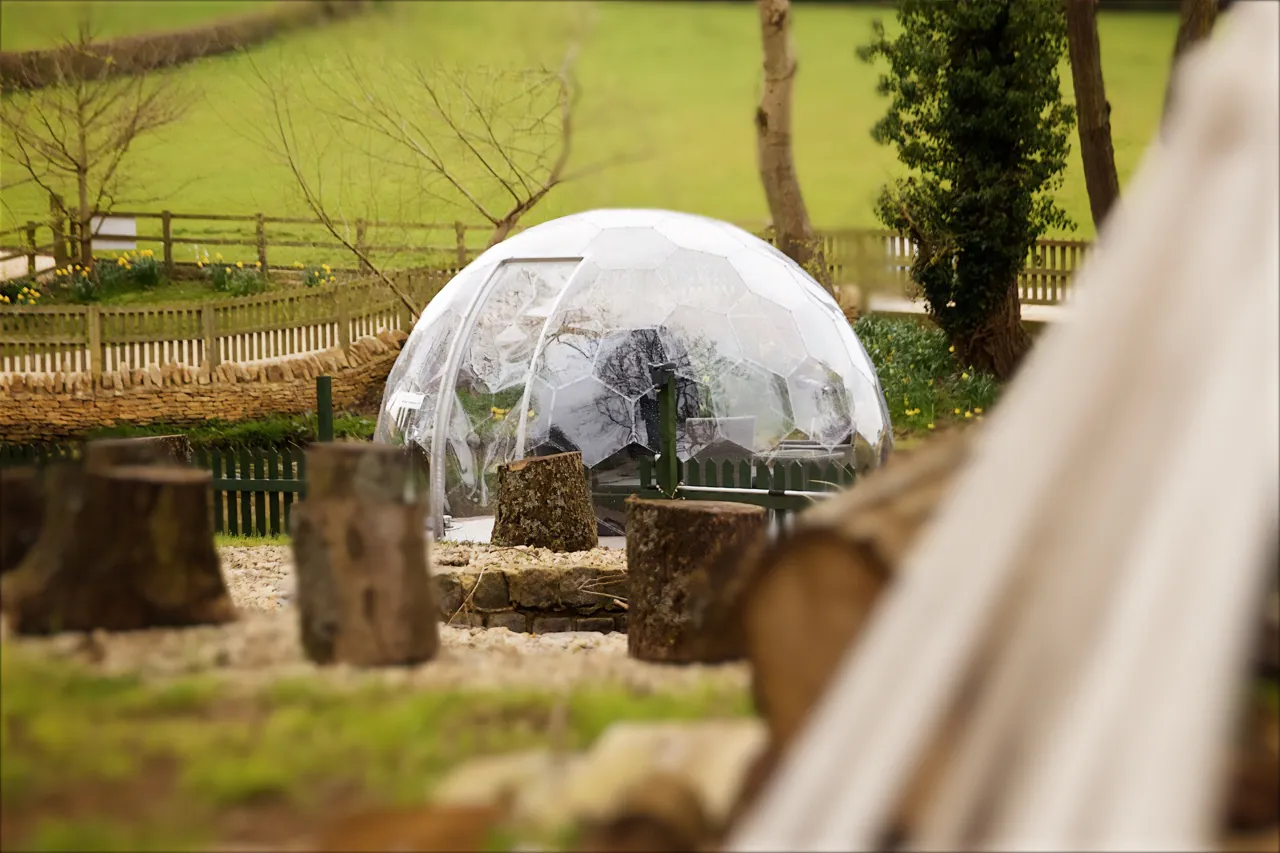



When Bryce Jurgy added a Hypedome to his RV park near Yellowstone, he wasn’t trying to scale — he was trying to surprise his daughters. Six months later, the dome is a bookable stargazing lounge that’s redefining how guests experience Swan Valley RV Park. And it happened faster than he expected.
If you’re an Airbnb host, cottage owner, cabin operator, RV park owner, or glamping site owner looking at idle land or vacant season slots, this is for you. You’re not looking to replace your existing business. You’re asking: could a dome work here? Could it fill bookings in my slowest months? Could it give me a second listing type? Could it be the thing that makes guests choose me over the property down the road?
The answer, for most operators, is yes. But the specifics matter. Placement matters. Permits matter. Timeline matters. And the after-picture — what your operation actually looks like once the dome is standing — that’s what separates a good addition from a transformational one.
There are four core reasons existing operators add a Hypedome to their property.
First: differentiation in a crowded market. If you’re listing a cabin on Airbnb in a ski town or lake region, you’re competing against dozens of identical cabins. A Hypedome isn’t a cabin. It’s a photo that stops scrolling. Jonas Neihoff, who runs Hohman Lake Cabin in southern Illinois, added two Hypedome Hive units connected by a tunnel specifically because his six existing cabins, while solid, blended into the Airbnb background. The dome was the differentiator.
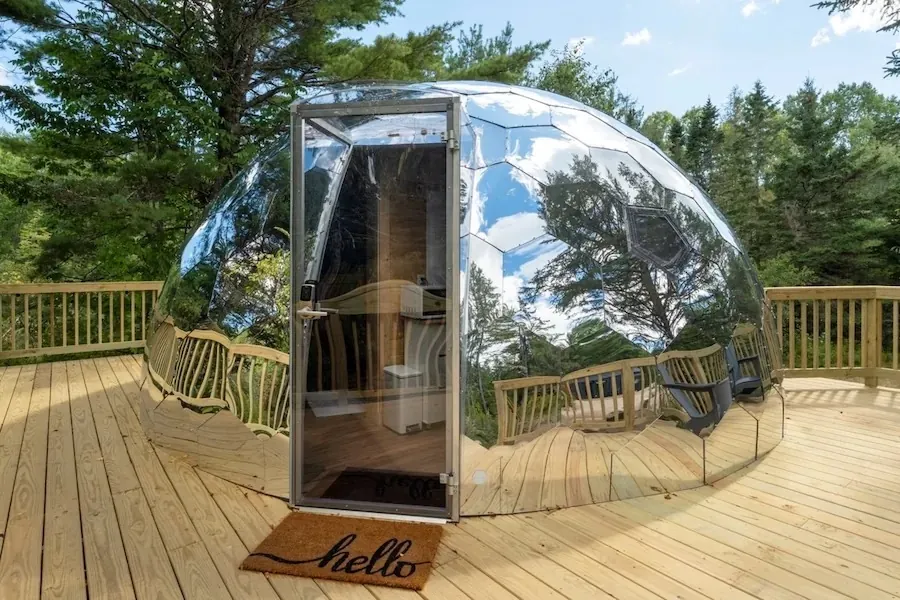
Second: extending your bookable season. Winter is brutal for most glamping and cabin operators. But winter guests aren’t rare — they’re underserved. A Hypedome positioned for views (lake, mountains, stars) becomes a winter draw. Jonas booked $5,000 in December alone — a typically dead month — on his new Hive setup. James Svetec, who added a dome to his Ontario cottage, now generates an extra $1,000–2,000 per month during winter from the dome alone.
Third: a second experience for existing guests. Bryce’s cabin guests at Swan Valley RV Park can book the dome for a night as an add-on: “sleep under the stars,” “stargazing lounge,” “your own snow globe.” It’s not cannibalizing cabin bookings. It’s creating a reason for returning guests to book again.
Fourth: a standalone listing. Some operators — Jonas is the primary example — treat the Hypedome as a completely separate unit type. It has its own Airbnb listing, its own pricing, its own reviews. It competes in a different search category (unique stays, luxury glamping) than a cabin would.
Where the dome goes matters more than most hosts realize.
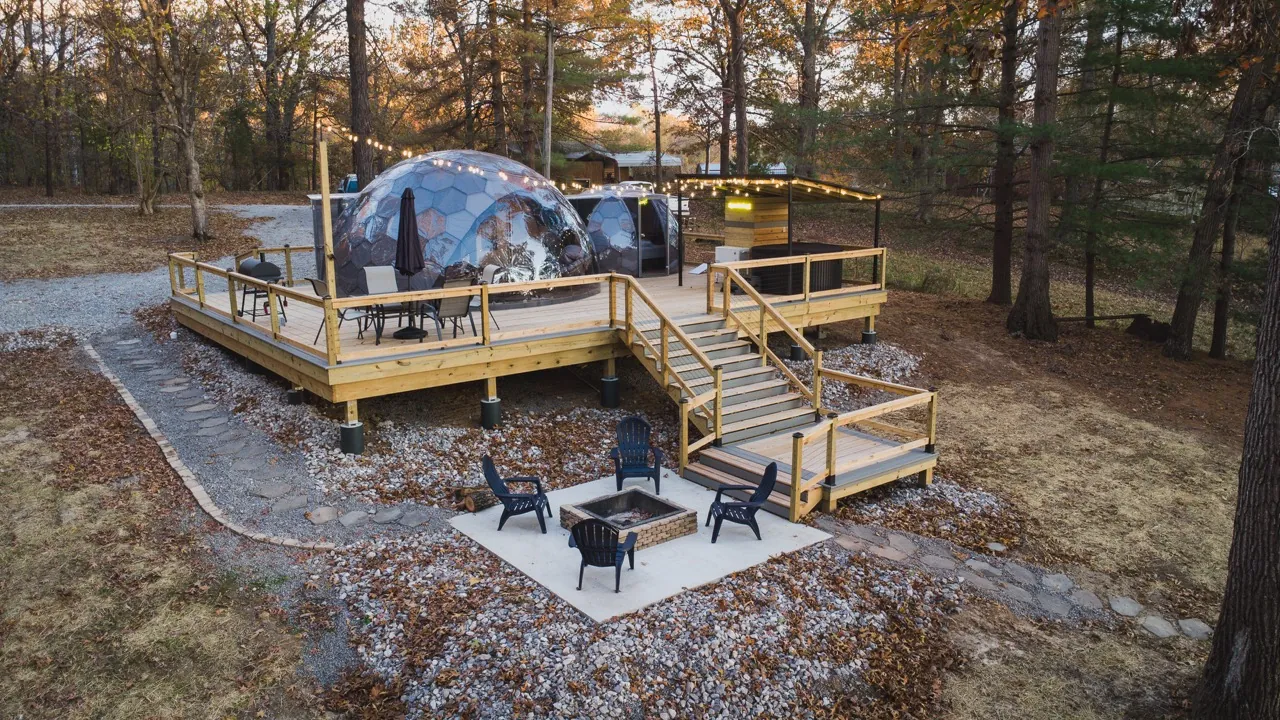
View orientation comes first. Bryce positioned his dome on a raised platform overlooking a mountain valley. The platform is essentially a life-sized snow globe — guests wake to sunrise across the range. Jonas positioned his Hive domes on a lakeside deck with a bay window orientation toward the water. The view isn’t a nice-to-have; it’s the reason guests are lying down to look up. If your dome is pointing at a tree line, you’ve missed the entire point.
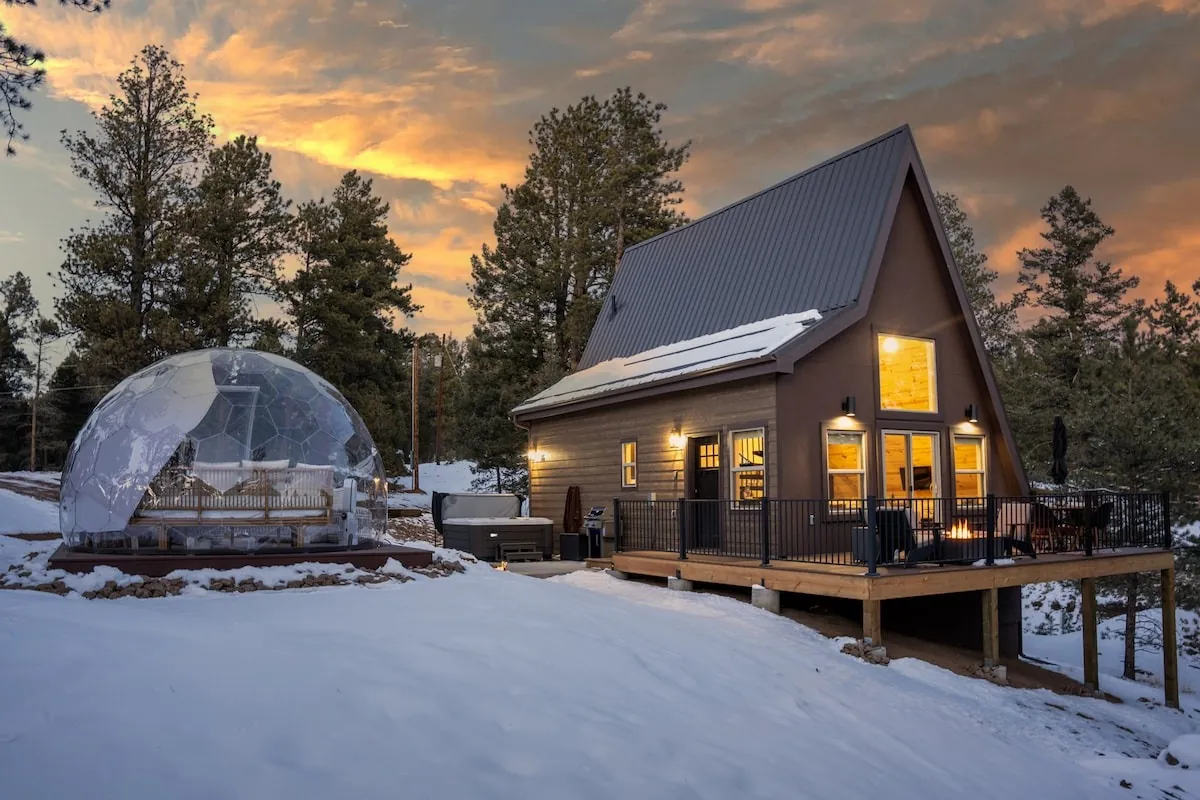
Distance and privacy matter. If the dome is twenty feet from your main cabin, guests feel cramped. If it’s 200+ feet away, they feel like they have their own world. Bryce’s setup gives guests distance. Jonas’s connected-tunnel approach gives the appearance of separation while keeping bathrooms and kitchens shared (important for cost control). Think about your site layout and what “privacy” actually means to your guests.
Ground type and leveling. A Hypedome doesn’t require a foundation, but it does require level ground. Bryce’s platform solved this on uneven terrain. Jonas’s lakeside deck handled it. If you’re on rocky or steeply sloped ground, factor in leveling costs. Gravel, compacted stone, or a deck will cost you — but a perfectly level base saves headaches later.
Access and utilities. Guests will arrive at night. There needs to be clear path access. If you’re including utilities — power, water, heating — those lines need to run from your main property or utility source. Plan for that in your site assessment. Bryce’s approach uses the raised platform as a visual anchor; guests find it easily. Jonas’s setup keeps the domes close enough to existing infrastructure that water and power were straightforward.
This is where most hosts pause. And they should, because permits vary wildly by jurisdiction.
In the UK, a Hypedome often qualifies under permitted development rules — treated as a temporary structure that doesn’t require full planning permission. In the US, zoning categories vary. Some jurisdictions classify domes as temporary (seasonal glamping structures), others as permanent structures requiring foundation details and inspections.
The single best move you can make is contact your local Authority Having Jurisdiction (AHJ) — your county planning department, building inspector, or town zoning office — before you order. Send them a Hypedome spec sheet and ask: “If I place this on my property as a vacation rental, what do I need?” Most will have a clear answer. Some will ask for site plans. A few will require engineering documentation.
Here’s the thing: compared to building a cabin extension, the Hypedome’s modular, non-foundation nature often simplifies things. You’re not pouring concrete, you’re not adding permanent square footage to your assessed property value, you’re not rerouting utilities. That matters. It typically means faster approvals and lower complexity.
For a deeper dive on glamping business setup and permitting, read our full guide here.
Here’s what you’re actually looking at.
Configure and order: 1–2 weeks. You’ll choose your Hypedome model (S, M, L, or Hive), configure it on our site, and place your order. This isn’t just picking a size — it’s thinking about interior layout, entry point, and what you want the space to do. Spend time here.
Delivery: varies by location. Depending on where you are, delivery ranges from a few weeks to two months. This isn’t something you can speed up much, so order early if you have a season in mind.
Site prep (foundation/deck/platform): 1–3 weeks. Bryce had a snowstorm during his site prep — still finished his platform in under two weeks. If you’re leveling rocky ground or building a deck from scratch, this could stretch to three weeks. Factor in contractor availability. This is where delays typically happen.
Assembly: 2–5 days. Here’s where the Hypedome surprises people. Bryce: “so simple, just follow the instructions.” Jonas echoed the same thing: “directions were great, pretty intuitive.” You’re not building a cabin. You’re assembling a structure that was engineered to be assembled. If you’re adding interior fixtures (a bed, a heater, a bathroom for a Hive setup like Jonas’s), that adds time. But the dome structure itself? Two to five days, depending on your team.
Jonas’s total project from order to first booking was approximately three months, but that included a full interior buildout with bathroom, kitchen, and heated flooring for his Hive dome setup — essentially building a bedroom and living space inside the dome. If you’re adding a simpler lounge or glamping unit, you’re looking at 6–8 weeks total.
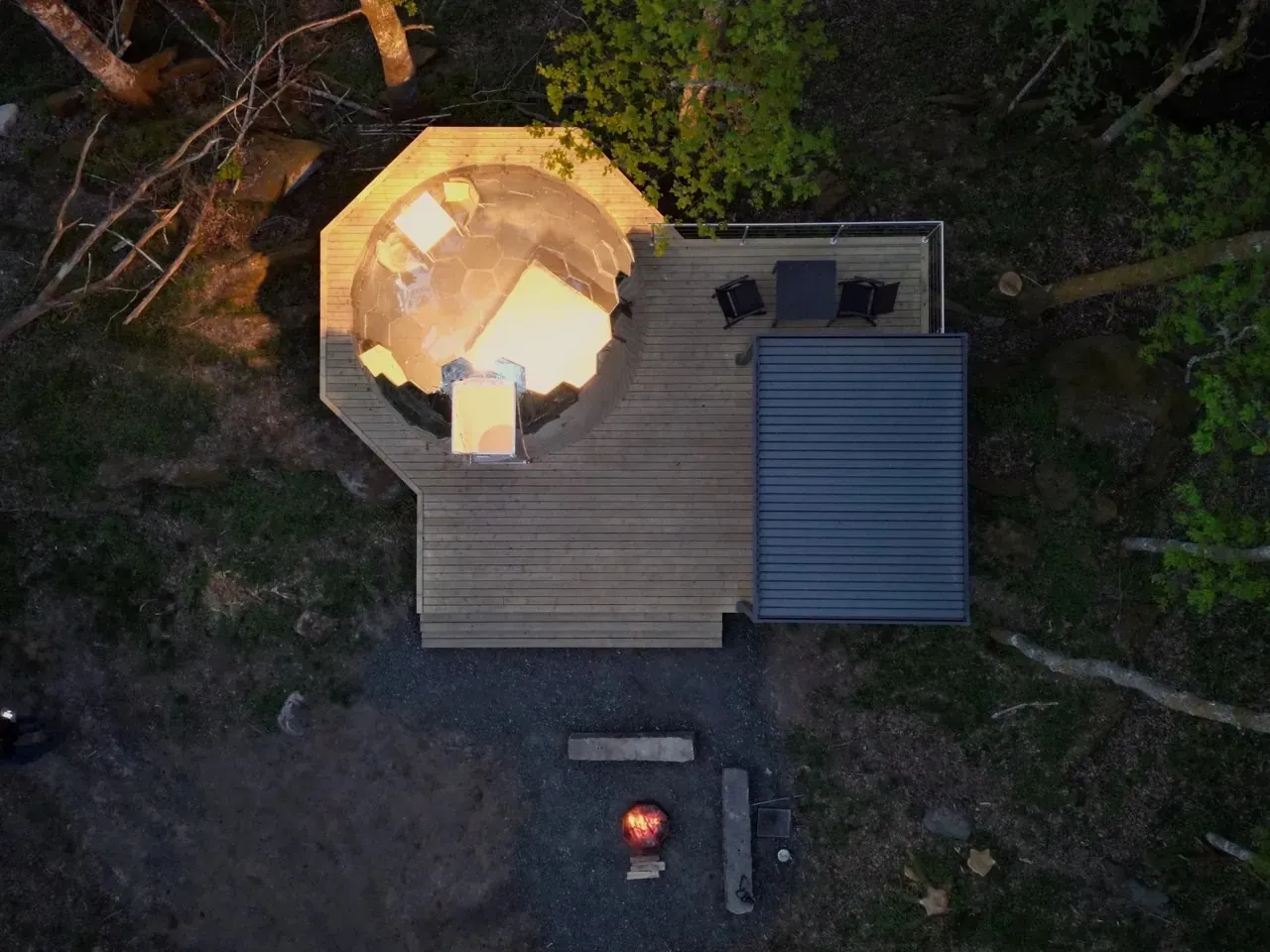
Interior fit-out: depends on your use case. A stargazing lounge with chairs and a heater? A few days. A full luxury glamping unit with kitchen and bathroom? Several weeks depending on your contractor. This is where your end-goal matters most.
Listing creation and first bookings. Once the dome is standing and furnished, create your Airbnb listing (or add it as a separate experience booking). Use the photos aggressively — the dome is your differentiator, so lead with it. Price it above your base cabin or standard offering; you’re selling uniqueness, not discounting availability. Your first bookings will often come quickly; the novelty effect is real.
The strategic part is done. Now you run it.
Guest behavior shifts immediately. Jonas’s guests describe the “cohesive inside-outside experience” — they’re living in a space that feels outside even when they’re inside. Bryce’s guests wake earlier (sunlight through the dome is relentless). They stay longer and take more photos. Your cancellation rates typically drop because the experience lives up to the pictures.
Listing performance improves in slow seasons. Jonas’s December bookings prove this. Winter months, shoulder seasons, weekdays mid-week — your dome fills slots that your cabin wouldn’t. And because it’s a different listing, it doesn’t pull demand from your existing units. It’s pure new revenue.
Operations change. Your cleaning routine evolves. Turnover is faster than a cabin but more detail-intensive (every glass, every surface shows). You’ll develop a weather protocol — strong winds, heavy snow, extreme heat. You’ll think about interior temperature control differently. But these are operational tweaks, not dealbreakers.
Marketing becomes effortless. The dome is the photo that sells every listing. It’s what people screenshot and send to their friends. Bryce gets inquiries from people who’ve seen photos from his property shared on social media. It becomes your brand anchor.
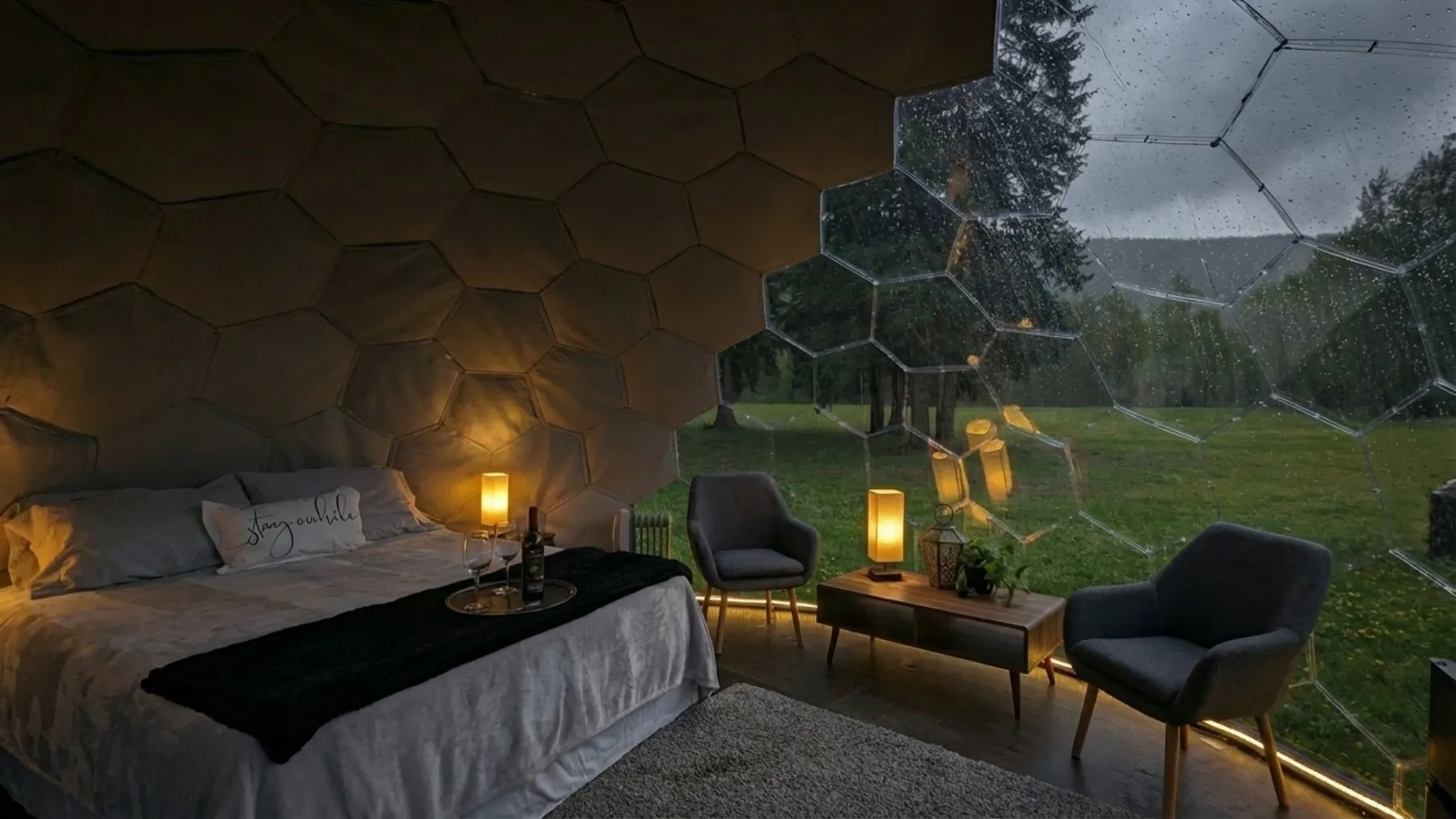
“It’s rare to find a company that is fully open to all ideas while also being so focused on making an amazing product. Once it was built, it’s so solid and so strong.” – Bryce Jurgy, Swan Valley RV Park, Idaho
If you have existing inventory and empty season slots, a Hypedome is a different kind of capital spend. It’s not trying to replace your cabin business. It’s trying to own a market segment — unique stays, stargazing, winter glamping — that doesn’t compete directly with your base offering.
The timeline is realistic (6–8 weeks for simple additions). The permits are often simpler than building a cabin. And the revenue window — December bookings, weekend premium pricing, returning guest add-ons — is right in front of you.
Start by auditing your site. Where would the view be best? Where would guests feel like they have privacy? Then talk to your local planning department. Then configure your Hypedome and see what the investment actually looks like.
Ready to explore what a Hypedome could mean for your property?
For more on how to integrate domes into your glamping business model, explore our hospitality guide or see how other hosts have used domes to improve their Airbnb offerings.
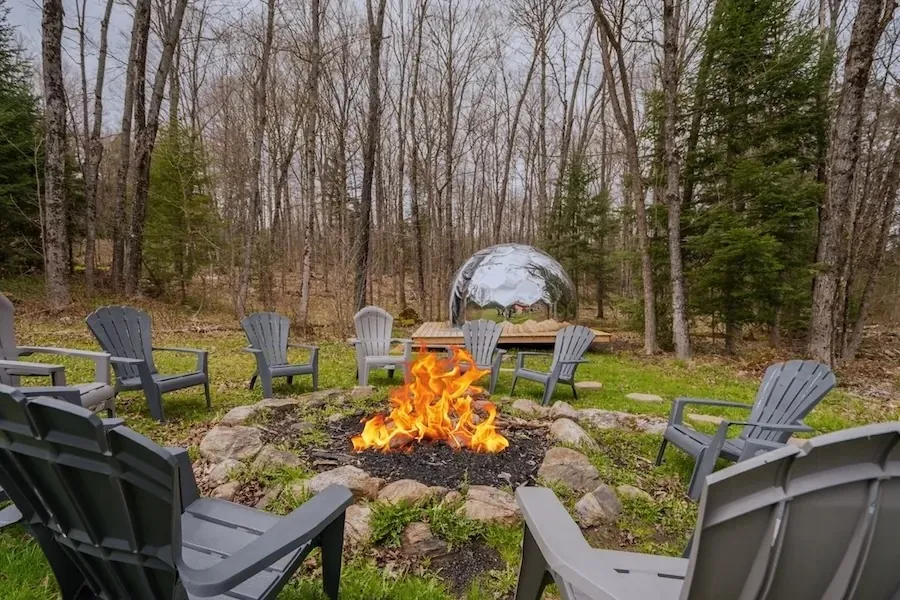
And if you’re adding a dome to an existing property like James did with his Ontario cottage, his story might give you a roadmap.